

Getting Evicted from a Mobile Home Park in Oregon? Read This First.
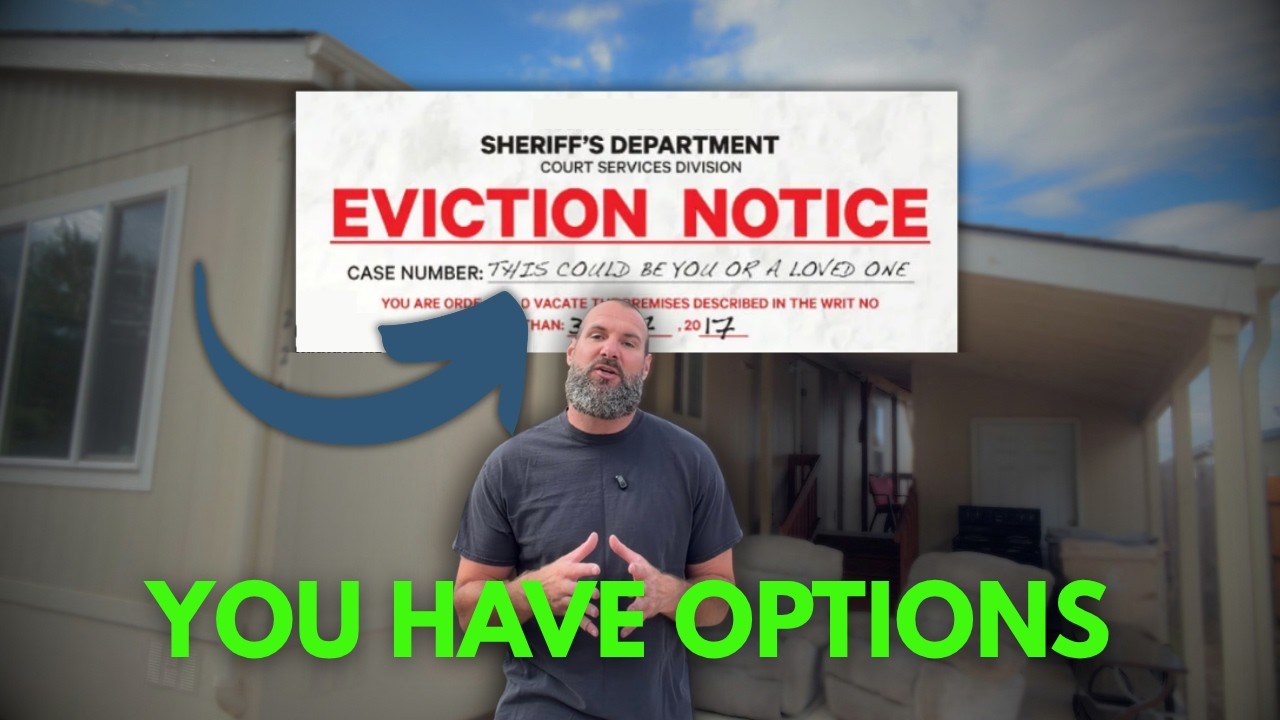
Falling behind on space rent sets two separate clocks running at the same time — and most people only realize this after the fact. One clock covers your right to stay in the space you rent. The other covers what happens to the home you own, sitting on that space. They're governed by different rules, and understanding both is the difference between losing everything and walking away with something.
A note before we begin. While I graduated law school and passed the bar exam in New York, I am not a licensed attorney, and nothing here is legal advice. Treat this as a general guide to how Oregon's process works, and check with your own attorney before making decisions based on it.
Clock One: Losing the Space
An eviction is the park's attempt to end your right to rent the space your home sits on. It has nothing to do with who owns the home itself — you do, not the park.
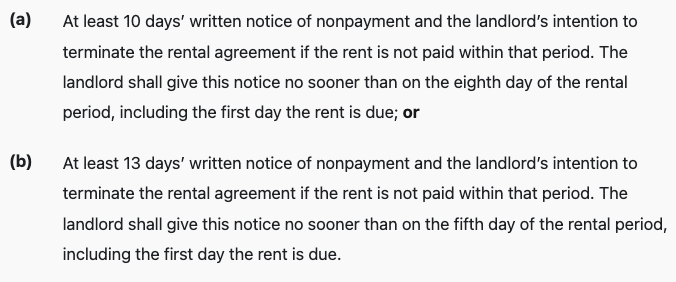
Oregon law (ORS 90.394) requires the park to give written notice before filing anything in court. For most manufactured dwelling park tenancies, that's either a 10-day notice or a 13-day notice, depending on when in the rental period it's delivered, and it must spell out the exact amount owed and the exact deadline to pay. Manufactured dwelling park terminations specifically fall under ORS 90.630, which works alongside this notice requirement.
Clock Two: Losing the Home
If the notice period passes without payment, the park can file in court. This is where a second, less obvious clock starts — because a court fight over the space is not the same thing as losing the home. That distinction becomes critical later in the process.
Court Isn't One Hearing — It's Two
Most people picture eviction court as a single appearance. In Oregon nonpayment cases, it's actually two: a first appearance, and then a trial if the matter isn't resolved there. Oregon law (ORS 105.135) currently sets that first appearance about 15 days after filing for nonpayment cases specifically — longer than the standard timeline for other kinds of evictions.
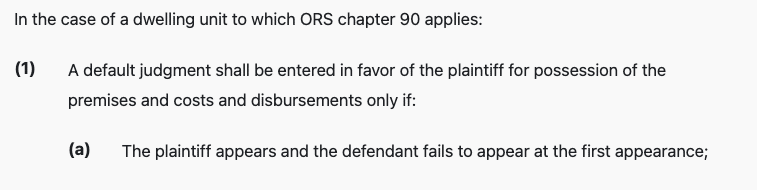
Skipping that first appearance doesn't help. Oregon law (ORS 105.137) allows the court to rule against a tenant automatically if they fail to show. Attending, even when you know you owe the money, is what buys you the additional time before the case can move to trial.
A Judgment Isn't a Lockout
Winning in court gets the park a judgment — not an automatic removal. The park still has to return to court, request additional paperwork, and only then can law enforcement act. At no point can the park change your locks or remove your belongings themselves; only the sheriff carries out a removal.
One Paperwork Mistake Can Restart the Whole Case
Oregon requires landlords to deliver a specific state-issued notice about rental assistance and eviction help alongside any nonpayment termination notice (ORS 90.395, with the notice's required form set out in ORS 105.136). Leaving it out invalidates the underlying notice — which can get the entire case dismissed, forcing the park to start over from the beginning.
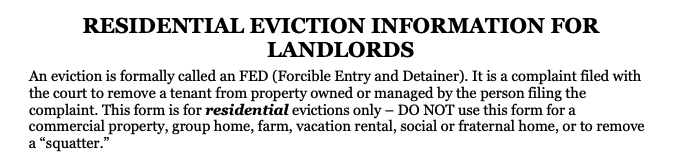
This is exactly the kind of detail a landlord-tenant attorney can catch, and it's worth having one look at what the park has filed before assuming there's no way out. Legal Aid Services of Oregon provides this kind of review for free to people facing eviction.

Your Home Outlives the Eviction — For a While
Here's the part almost nobody realizes: even after a sheriff removal from the space, the home itself is still yours. You can sell it — during the eviction process, or even after it's fully over — right up until the point Oregon law treats the home as abandoned (ORS 90.675).

As a general rule of thumb, that window runs about a month and a half past the eviction, sometimes longer if the park is contacted in time. Miss it, and the consequences are steep: the park can have the home declared abandoned, at which point ownership rights are lost entirely. Under Oregon law (ORS 446.676), a park owner can then sell an abandoned home and transfer title directly to a buyer — or have it demolished — and the original owner is typically left with nothing.
The Bottom Line
Fall behind, and a notice period starts. Ignore that, and the case heads to court. Lose in court, and the sheriff eventually enforces removal from the space. But the home itself survives that removal — for a limited time. Selling before the abandonment window closes is the one move that preserves its value, and the earlier that decision gets made, the more options remain on the table.
We Can Help
If you're behind on space rent and unsure what to do next, call us at (503) 893-9691, and let's talk through your options while you still have them.
(503) 893-9691As always, don't rely solely on what's written here — check with your own attorney before making any decisions.
Frequently Asked Questions: Mobile Home Park Evictions in Oregon
Can a mobile home park evict you in Oregon?
Yes, a mobile home park eviction can happen when you fall behind on space rent, but the park has to follow a set process. It must give written notice first, then file in court, win a judgment, and return to court for additional paperwork before the sheriff can carry out a removal. The eviction covers the space you rent, not ownership of the home.
What is the mobile home park eviction process in Oregon?
Fall behind, and a notice period starts. If the notice period passes without payment, the park can file in court, where there is a first appearance and then a trial if the matter is not resolved. If the park wins, the sheriff eventually enforces removal from the space. The home itself survives that removal for a limited time, so you can still sell it before the abandonment window closes.
Does an eviction mean I lose ownership of my mobile home?
No. An eviction is the park's attempt to end your right to rent the space your home sits on. It has nothing to do with who owns the home itself. You own the home, not the park.
How much notice does the park have to give for unpaid space rent?
Oregon law (ORS 90.394) requires written notice before the park files anything in court. For most manufactured dwelling park tenancies, that is either a 10 day notice or a 13 day notice, depending on when in the rental period it is delivered. The notice must spell out the exact amount owed and the exact deadline to pay.
How many court dates are there in an Oregon nonpayment eviction?
Usually two: a first appearance, and then a trial if the matter is not resolved there. Oregon law (ORS 105.135) currently sets the first appearance about 15 days after filing for nonpayment cases, which is longer than the standard timeline for other kinds of evictions.
What happens if I skip the first appearance?
Skipping it does not help. Oregon law (ORS 105.137) allows the court to rule against a tenant automatically if they fail to show. Attending, even when you know you owe the money, is what buys you additional time before the case can move to trial.
Can the park change my locks or remove my belongings?
No. Winning in court gets the park a judgment, not an automatic removal. The park still has to return to court and request additional paperwork before law enforcement can act. Only the sheriff carries out a removal.
What paperwork mistake can get an eviction case dismissed?
Oregon requires landlords to deliver a specific state issued notice about rental assistance and eviction help alongside any nonpayment termination notice (ORS 90.395 and ORS 105.136). Leaving it out invalidates the underlying notice, which can get the entire case dismissed and force the park to start over.
Where can I get free legal help with an eviction in Oregon?
Legal Aid Services of Oregon provides free review for people facing eviction. A landlord tenant attorney can look at what the park has filed and catch details like a missing required notice.
Can I sell my mobile home during or after an eviction?
Yes. Even after a sheriff removal from the space, the home is still yours. You can sell it during the eviction process, or even after it is fully over, right up until the point Oregon law treats the home as abandoned (ORS 90.675).
How long do I have to sell my home after an eviction?
As a general rule of thumb, the window runs about a month and a half past the eviction, and sometimes longer if the park is contacted in time. The earlier the decision to sell gets made, the more options remain on the table.
What happens if my mobile home is declared abandoned?
Ownership rights are lost entirely. Under Oregon law (ORS 446.676), a park owner can then sell an abandoned home and transfer title directly to a buyer, or have it demolished, and the original owner is typically left with nothing.
How can Inked Real Estate help if I am behind on space rent?
If you are behind on space rent and unsure what to do next, call us at (503) 893-9691 and we will talk through your options while you still have them. This is general information and not legal advice, so check with your own attorney before making decisions.
Sell Before the Window Closes
Your home is still yours during an eviction, and for a limited time after. Tell us about it and we will talk through your options and make you a fair cash offer.