
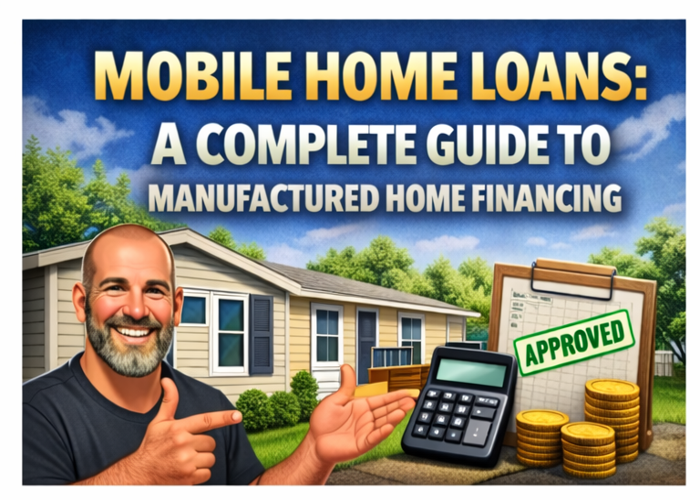
Mobile Home Loans: A Complete Guide to Manufactured Home Financing
You found a mobile or manufactured home in Oregon you want to buy but you need a loan. How does it work and where do you go? If these are the questions you’re asking, this article is for you.
Getting a loan to buy a mobile or manufactured home without the land is not the same as getting a mortgage for real estate. This is mainly because a mobile or manufactured home without the land is considered personal property – not real estate. Because of this, these loans are called “chattel loans” (originating from 17th century English law), as they allow people to secure loans against movable property, or “chattel”. These loans are riskier for banks and are lent at higher interest rates.
The first part of the article talks about the different mobile/manufactured home lenders, and the second part of the article goes into detail about the loan process, what to expect, and how to prepare.
DISCLAIMER: I make no money from sending you to these banks, I get asked from buyers where to get a manufactured home loan and figured I’d put this together for people to make it easier for them. Everything below is subject to change, this is not legal advice.
Best Mobile Home Lenders
Not all banks lend on mobile or manufactured homes. Below are a list of lenders that are frequently observed on closing statements at title companies in Oregon for mobile/manufactured homes.
Triad Financial Services
Triad is based out of Jacksonville, FL but they have a regional office in Anaheim, CA and they lend on manufactured homes in Oregon (not mobile homes – ones built before June 15, 1976).
Below is a summary of their lending parameters (as of the publication of this article):
- Minimum Credit Score: 550
- Max Loan to Value (LTV): 95%
- Minimum Down Payment: 5% (Min 10% down for single-wide homes)
- Income Required: DTI 50% or less; SSI grossed up 125%
- Home must be built on or after June 15, 1976
- Can move homes moved 2+ times: Yes
- Appraisal Cost: $425
- Assets Required: N/A
- SSN Required: Yes
- ITIN ok: No
- Max Amortization: 25 yrs (20 year options)
- Interest Rate Range: 8.5% – 12.25% (current 30-year mortgage rate for traditional stick-built homes is 6.28%)
Unlike 21st Mortgage, there is a minimum credit score to use Triad of 550 FICO. In addition, you’ll need to have a down payment of 5%, even for the best borrowers. Triad is better for borrowers with Social Security Income, as they’ll add 25% to your income to qualify you for the loan.
To apply for a loan with Triad Financial Services, I would recommend going to Lisa McCormick at Cross Country Mortgage. She’s based in Salem, OR and has been in the mortgage business for over 40 years. She knows the Triad Manufactured Home Lending Process like the back of her hand and has the ability to overcome any issue that may arise. She can be reached at lisa.mccormick@ccm.com or (503) 931-2185.

Credit Human Credit Union
Credit Human is a credit union with over 5,000 “shared branches”, many of which are located in Texas. As with the above lenders, Credit Human lends on manufactured homes in Oregon (not mobile homes – ones built before June 15, 1976).
Below is a summary of their lending parameters (as of the publication of this article):
- Minimum Credit Score: 660
- Max Loan to Value (LTV): 95%
- Minimum Down Payment: $0
- Income Required: 34% home only DTI; 45% total DTI
- Assets Required: No (just the down payment)
- Home must be built on or after June 15, 1976
- Appraisal Cost: $425
- SSN Required: (Y/N) Y
- ITIN ok: (Y/N): N
- Max Amortization: 20 year amortization (land plus home 25 year)
- Interest Rate Range: 7.6% – 10.9% (current 30-year mortgage rate for traditional stick-built homes is 6.28%)
Credit Human is the bank you want if you have a good credit score, good income, and a social security number. Credit Human offers the best interest rates – with interest rates for traditional stick-built houses at 6.28%, they’ll lend at 7.6% for the best borrowers.
To apply for a loan with Credit Human Services, I would again recommend going to Lisa McCormick at Cross Country Mortgage. She’s been working with Credit Human since 1999 and knows the program really really well. She can be reached at lisa.mccormick@ccm.com or (503) 931-2185.
Vanderbilt Mortgage
Vanderbilt Mortgage is located in Maryville, TN, about 30 mins south of Knoxville. They lend on manufactured homes only (not mobile homes – similar to everyone other than 21st Mortgage).
Below is a summary of their lending parameters (as of the publication of this article):
- Minimum Credit Score: 520 credit score
- Max Loan to Value (LTV): 100% (720 FICO)
- Minimum Down Payment: 0%
- Income Required: DTI 50%
- Assets Required: No (just the down payment)
- Home must be built on or after June 15, 1976
- Appraisal Cost: $425
- SSN Required (Y/N): N
- ITIN ok (Y/N): Y
- Max Amortization: 25 years
- Minimum Loan Amount: 20K min
- Interest Rate Range: 10.25% – 14% (current 30-year mortgage rate for traditional stick-built homes is 6.28%)
Vanderbilt’s loans are not cheap, as the minimum interest rate is 4% higher than a traditional stick-built home loan. But they’ll lend to really low credit scores, you don’t need a social security number (as long as you have an ITIN), and they’ll loan up to 100% of the purchase price.
21st Mortgage
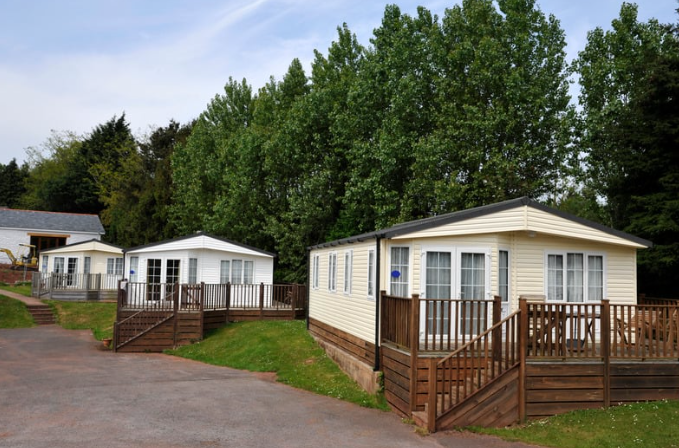
21st Mortgage is based in Knoxville, TN but lend on both mobile and manufactured homes in Oregon. They’ll lend to buyers with sub-optimal credit scores and they’ll loan on homes that were built before June 15, 1976. Below is a summary of their lending parameters (as of the publication of this article):
- Minimum Credit Score: N/A
- Max Loan to Value (LTV): 100% (750+ Fico)
- Minimum Down Payment: $0
- Income Required: Housing Ratio < under 45%; DTI < 65%
- Can move homes moved 2+ times: Yes
- Appraisal Cost: $425
- Assets Required: N/A
- SSN Required: (Y/N) N
- ITIN ok: (Y/N): Y
- Max Amortization: 25 years
- Min Loan Amount: $20K
- Interest Rate Range: 8.5% – 14% (current 30-year mortgage rate for traditional stick-built homes is 6.28%)
These values are minimums and maximums, meaning a buyer would not get a 100% loan with no money down with a 565 credit score. However, these are values that are possible, depending on the credit quality of the borrower (credit score, income, and assets).
You would want to call 21st Mortgage if you are in the following situations:
- Below 600 credit score
- Home built prior to June 15, 1976
- No SSN (Need ITIN)
- High Debt-to-Income Ratio
One of the best things about 21st Mortgage is they’ll lend on mobile homes built prior to June 15, 1976.
The not-so-good part of working with 21st Mortgage is they ask for a lot of documentation and take a long time to close, usually between 45-60 days after the bill of sale (purchase agreement) is signed. Some sellers will only accept an offer from a buyer who’s getting a loan from 21st mortgage if they have no other offer. Other sellers won’t care or know to ask. This isn’t to scare you away from 21st Mortgage, it’s just to give you the full facts before choosing which bank to get your loan.
To apply for a loan with 21st Mortgage, simply go to 21stmortgage.com and hit the “apply” button. Fill out the form and call them at (800) 955-0021 for next steps.
THE LENDING PROCESS
Pre-Approval
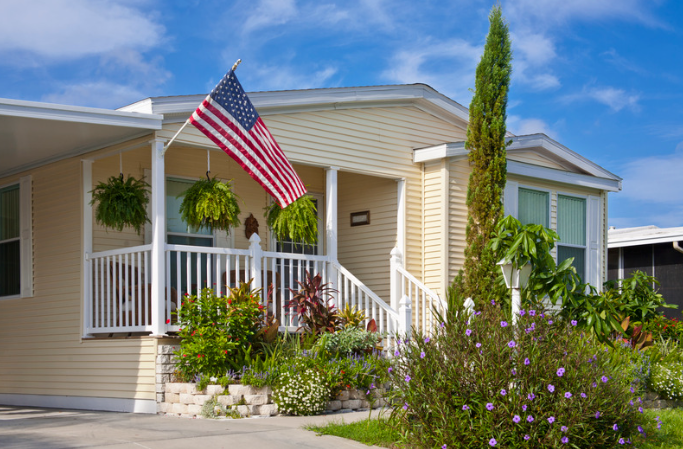
Before you even search for a home to purchase, you should get pre-approved to see what kind of home you can afford. Some people wait to get pre-approved until they find the home they want to buy. This is a mistake.
A pre-approval is a very informal process with a bank where they ask you a few questions over the phone, pull your credit report, and let you know how much you are eligible to borrow. The pre-approval is not property specific, it’s dollar amount specific. Which means it qualifies you on the amount of money you can borrow, not on which property you can buy. Always get pre-approved for a home loan before you begin searching for your home to buy. Sellers have to accept your offer, and they likely won’t accept an offer from a buyer who is not pre-approved. If you need to wait to get pre-approved before you can even make an offer to buy the house, the home might not be available by the time you get pre-approved. You can avoid this problem by simply getting pre-approved ahead of time.
Credit Underwriting
After you get pre-approved, the bank will ask for documents to verify the information you gave for your pre-approval. These will include W-2s, previous tax returns, bank statements, etc. Once received, they’ll send all your information to their credit underwriting department to approve your loan. This process usually takes a couple weeks.

INSPECTION
While the file is in underwriting, you’ll have the opportunity to inspect the property – whether you hire a licensed inspector or choose to inspect the property yourself. Depending on what you find, you may ask for a price reduction to pay for any problems the seller did not disclose prior to signing the bill of sale.

PARK APPROVAL
While the file is in underwriting, you’ll need to file an application to the park manager for park approval. Because you’re only buying the home, you’ll be leasing the land from the park and you’ll need their approval to do so. You’ll need to pay for the application fee (usually between $25 – $75), which will pay for the credit report and the criminal background check.

APPRAISAL
The final step in the underwriting process, before approval, is the appraisal. The bank needs to verify the value of the home is greater than your loan amount. This will be ordered by your real estate agent or you personally. The cost of an appraisal for a manufactured home only is usually between $250-400, usually cheaper than a traditional appraisal for a stick-built home.
If the appraised value of the home is less than the purchase price, you should renegotiate the price with the seller so the purchase price is no greater than the appraised value. If not, you’ll need to increase your down payment by the amount the purchase price exceeds the appraised value.

Fund/Close
You’ve submitted your documentation, you’ve been approved by the park, you’ve been approved for your mortgage and the appraisal came back at or above the purchase price…
Now go buy your home!
The lender will be in contact with the title company to send docs to the escrow officer. You’ll need to bring your down payment to the title company office as well as your government issued ID. If you can’t drive to the title company office, they will send a mobile notary to you for a fee.
And that’s it! I hope this article has brought you value in some way. If you have a mobile or manufactured home you’re looking to sell, or have any questions about the lending process, contact Inked Real Estate and a representative will be happy to assist you.
Good luck!
Frequently Asked Questions About Mobile Home Loans
Related

Can manufactured homes qualify for Fannie Mae or Freddie Mac programs?
Yes, but only under certain conditions. For a manufactured home loan to qualify under Fannie Mae or Freddie Mac mortgage programs, the manufactured home must meet HUD Code standards, be placed on a permanent foundation, and be legally classified as real property rather than personal property. The home must also sit on owned land and typically be used as a primary residence.
If those conditions are met, the borrower may qualify for a conventional loan or other traditional home loan products similar to site-built housing. If not, financing may shift to specialized mobile home loans that are structured differently from conventional real estate transactions.
Some borrowers exploring mobile home financing may also compare options like Freddie Mac Home Possible or similar loan programs, depending on lender qualifications and the type of manufactured housing involved.
Are FHA loans or VA loans available for mobile home loans?
In some cases, yes. An FHA loan, backed by the Federal Housing Administration, may be available if the manufactured home meets HUD Code requirements, is installed on a permanent foundation, and sits on owned land or qualifying private land.
Eligible veterans may qualify for a VA loan, but the property must meet strict underwriting standards similar to a traditional mortgage loan. Not all mobile home properties qualify, especially if they are considered personal property rather than real property.
When government-backed loan programs are not an option, borrowers often explore specialized mobile home financing through an experienced lender. Some may compare providers such as 21st Mortgage, Triad Financial Services, Capital Home Mortgage, or even broader lenders like Rocket Mortgage, depending on eligibility and property type.
What credit score is required for mobile home financing?
The required credit score depends on the lender, the type of loan, and the structure of the financing.
Some lenders offer mobile home loans for borrowers with moderate credit profiles, while others require a stronger credit score to access better rates and terms. A higher credit score typically improves your loan options, lowers your interest rate, increases your approved loan amount, and reduces your total borrowing cost over time.
Before applying for mobile home financing, it’s smart to review your credit score, compare loan options, and estimate your expected monthly payment using an affordability calculator. Different loan term lengths can significantly impact overall home financing costs.
What’s the difference between a chattel loan and a mortgage loan?
A chattel loan—sometimes called chattel financing—applies when the mobile home is classified as personal property rather than land-attached real property. This is common when the home is located in a mobile home park where the homeowner leases the land instead of owning it.
A traditional mortgage loan applies when the manufactured home is permanently affixed to owned land and legally converted into real property.
Because of this difference, mortgage loans often offer longer repayment periods, more predictable monthly payment structures, and lower rates than personal property financing. However, qualification standards may be stricter, and closing costs may apply.
For some buyers, a specialized mobile home loan may be the most realistic route depending on property classification.
Can I finance both the land and the manufactured home together?
Yes. If you’re purchasing both the land and the manufactured home, the transaction may qualify as real estate, which can open access to broader home financing and conventional-style mortgage programs.
This type of purchase financing may allow borrowers to combine the home and land into one loan, creating a simpler repayment structure and potentially improving long-term affordability.
Depending on your situation, this could qualify under a conventional loan, an FHA loan, or other approved financing options. In some scenarios, buyers may even explore a construction loan for new installations or a cash out refinance later if equity is built.
If you’re financing a 2nd home, eligibility requirements may differ from primary residence lending guidelines.
Are personal loans a good alternative for buying a mobile home?
Generally, personal loans are not the ideal option for purchasing a mobile home, since they often come with shorter repayment periods, higher rates, and less flexible loan term structures than traditional mobile home loans.
A dedicated manufactured home financing solution through a qualified lender typically provides more manageable monthly payment options and better long-term affordability.
That said, every borrower’s situation is different. Some may find personal loans useful for smaller purchases or upgrades, while others benefit from a formal manufactured home loan, broader financing loans, or a specialized financing option designed specifically for mobile home financing.
Whether you’re financing a modular home, a manufactured home, or another type of factory-built property, speaking with an experienced lender is the best way to compare available loan options and choose the right path for your goals.