
Selling a Mobile Home in Disrepair in Oregon: Cash Offers
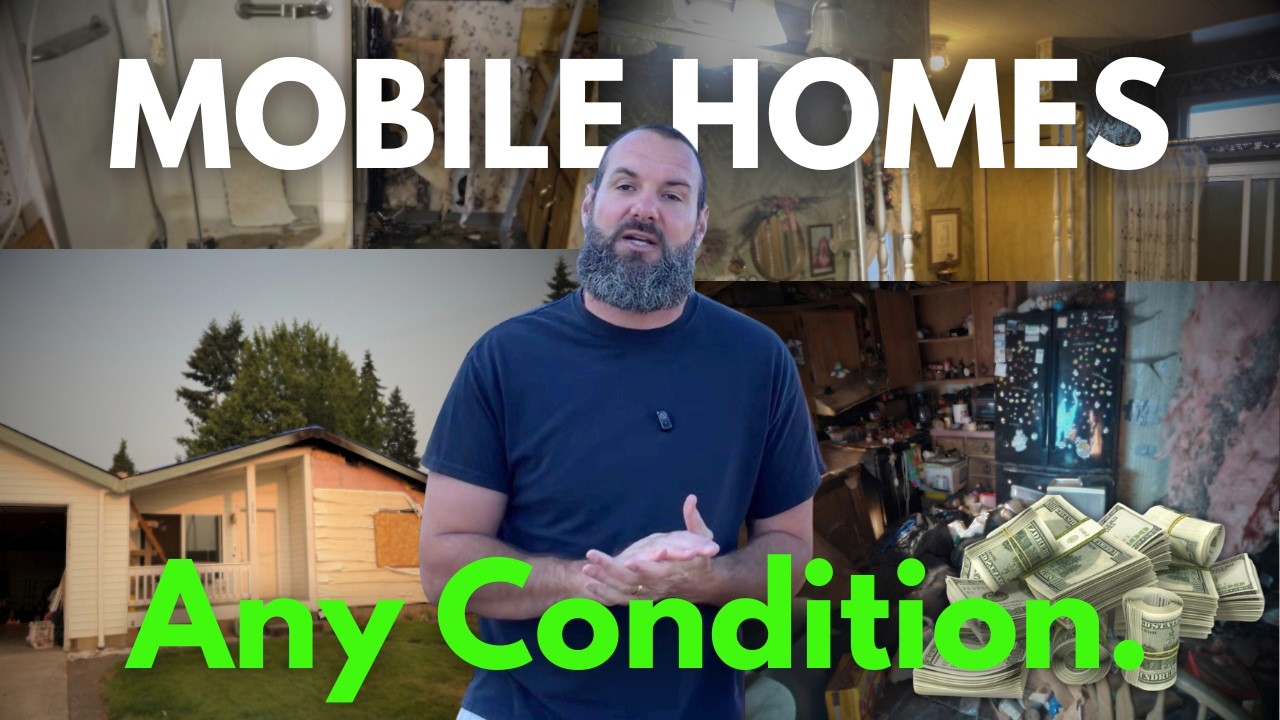
If your mobile home needs more work than you can afford, or more than you want to take on, you're not stuck. But it helps to understand why some homes can't be sold the traditional way, and what your realistic options are.
Repairs First, Then List: When That Advice Works
For a home in decent shape, the usual advice holds: fix what needs fixing before you list. A repaired home photographs better, inspects better, and sells for noticeably more than one that doesn't. Every dollar put into the right repairs tends to come back at the closing table.
That advice has one big catch. It only works if the repaired home can be financed, meaning a bank is willing to lend a buyer the money to purchase it. Most buyers rely on a loan. If the home can't pass a lender's review, the pool of buyers shrinks to almost nothing, and the repair-and-list strategy stops making sense.
What Stops a Bank From Lending on a Mobile Home
Lenders and their inspectors have a short list of problems that routinely kill a loan. These are the main ones we see:
- Soft spots in the floor. Moisture damage underneath is a structural red flag.
- Plumbing or electrical problems. Active defects in either system will stall an approval.
- A bad roof. This means current leaks, water stains on the ceiling, or missing shingles. (Age alone isn't always the issue, but active damage is.)
- Dry rot in the exterior siding. Inspectors commonly press a key or similar tool into suspect spots. If it sinks into the wood, the lender is unlikely to approve a loan on that home.
- An unlevel home or a damaged foundation. Shifted or fallen piers beneath the home are a deal-breaker for most lenders.
This isn't an exhaustive list, and every lender is a little different. But if your home has one or more of these issues, financing it will be an uphill climb, and the cost of correcting everything may exceed what you'd recover in the sale.
When a Bank Won't Lend, Cash Buyers Are Who's Left
Here's the practical reality: if a home can't qualify for a bank loan, the only buyers who can purchase it are cash buyers. So for many homeowners in this situation, the real question isn't whether to sell to a cash buyer. It's which cash buyer to sell to, and what that sale will actually look like for you.
What Selling As-Is for Cash Looks Like
When you sell to us, here's what changes:
- No realtor commissions.
- We pay the closing costs.
- You sell as-is. No repairs, no cleanup, no staging.
- You close and receive cash. We understand that you may be paying space rent every month while you wait for a buyer, and that's a real cost of dragging this out.
- We can help with the move. If you need help getting out, we can front you money to relocate and let you stay in the home rent-free while you gather your belongings.
- You deal with us directly. There's no agent standing between you and the buyer. Our relationship is with you.
The goal is for you to spend your time and money getting to where you need to go next, rather than pouring it into a home you're leaving behind.
When the Home Is Past the Point of Repair
Some homes are beyond the repair-or-sell question entirely. Manufactured homes built before June 15, 1976 were built before the federal HUD Code took effect, so they aren't HUD-approved structures. Financing those homes is difficult regardless of condition, and putting serious money into repairs rarely makes sense. These homes were never built to last for generations, and at some point you're repairing your way toward the end of the home's useful life.
We will still consider buying a home like this in some cases, but the deal looks different. Rather than buying and reselling the home, we may take over the space rental, demolish the old structure ourselves, and bring in a new or used home to replace it. We do this selectively, where it makes financial sense. For example, in an all-ages park with reasonable space rent, the real value is the space the home sits on, not the home itself. When it works, we handle the demolition, the replacement home, every permit, and all of the paperwork.
Call Before You Hire a Demolition Contractor
If you've concluded that your home needs to be demolished, hold off before you hire anyone. Demolishing a home typically costs somewhere around $8,000 to $15,000, and that's money that comes out of your pocket. In some situations, there's a way to avoid that cost entirely. Call us to find out how we can help you avoid that cost.
Thinking about demolition?
Talk to us first. It could save you $8,000 or more.
Which Situation Sounds Like Yours?
Whether your home needs repairs you don't want to make and can't get financed, or you're already thinking about demolition, we're happy to take a look. Call us at (503) 893-9691 for a free, no-obligation conversation about how we can add value for you.
(503) 893-9691Frequently Asked Questions: Selling a Mobile Home in Disrepair in Oregon
Can I sell a mobile home in disrepair in Oregon?
Yes. If your mobile home needs more work than you can afford, or more than you want to take on, you're not stuck. Homes that can't be financed in their current condition can still be sold to a cash buyer as-is, with no repairs, cleanup, or staging.
Should I fix my mobile home before I sell it?
For a home in decent shape, usually yes. A repaired home photographs better, inspects better, and sells for more. But that advice only works if the repaired home can be financed. If the home can't pass a lender's review, the pool of buyers shrinks to almost nothing, and repairing before listing stops making sense.
What problems stop a bank from lending on a mobile home?
The main ones are soft spots in the floor, plumbing or electrical problems, a bad roof with active leaks or missing shingles, dry rot in the exterior siding, and an unlevel home or damaged foundation. It isn't an exhaustive list, and every lender is a little different.
Who can buy a mobile home that won't qualify for a loan?
Only cash buyers. If a home can't qualify for a bank loan, the real question isn't whether to sell to a cash buyer. It's which cash buyer to sell to, and what that sale will actually look like for you.
What does selling as-is for cash to Inked Real Estate look like?
There are no realtor commissions, we pay the closing costs, and you sell as-is. You close and receive cash, and you deal with us directly with no agent in between. If you need help with the move, we can front you money to relocate and let you stay in the home rent-free while you gather your belongings.
Can I sell a mobile home built before June 15, 1976?
Sometimes. Homes built before June 15, 1976 aren't HUD-approved structures, so financing them is difficult regardless of condition. We still consider buying homes like this in some cases, for example by taking over the space rental, demolishing the old structure, and bringing in a new or used home. We do this selectively, where it makes financial sense.
How much does it cost to demolish a mobile home?
Demolishing a home typically costs somewhere around $8,000 to $15,000, and that money comes out of your pocket. In some situations there's a way to avoid that cost entirely, so call us before you hire a demolition contractor.
How do I get a cash offer on my mobile home?
Call Inked Real Estate at (503) 893-9691 for a free, no-obligation conversation, or fill out the cash offer form. Whether your home needs repairs you don't want to make or you're already thinking about demolition, we're happy to take a look.
Skip the Repairs. Get a Fair Cash Offer.
No commissions, no closing costs, no cleanup. Tell us about your home and we will talk through your options and make you a fair cash offer.